
Orban questions whether Russia is the aggressor in Ukraine war

- Stay up to date with the latest news from Hungary by signing up for the free InsightHungary newsletter.
Orbán warns against asset seizures and questions who the aggressor is in the Ukraine war
Hungary’s far-right prime minister, Viktor Orbán, has criticised the European Union’s decision to raise a €90bn loan to support Ukraine, dismissing proposals to use frozen Russian central bank assets as legally risky. Speaking to pro-government media after a summit of EU leaders, Orbán said the alternative plan was effectively abandoned after Belgium raised concerns that Russia could successfully challenge the move in court, potentially triggering severe financial consequences. Although most EU leaders said they reserved the right to use the seized assets to repay the loan, Orbán argued that Hungary could not accept a precedent that might endanger its own foreign currency reserves held abroad, adding that Budapest would consider relocating those reserves if such confiscations became possible.
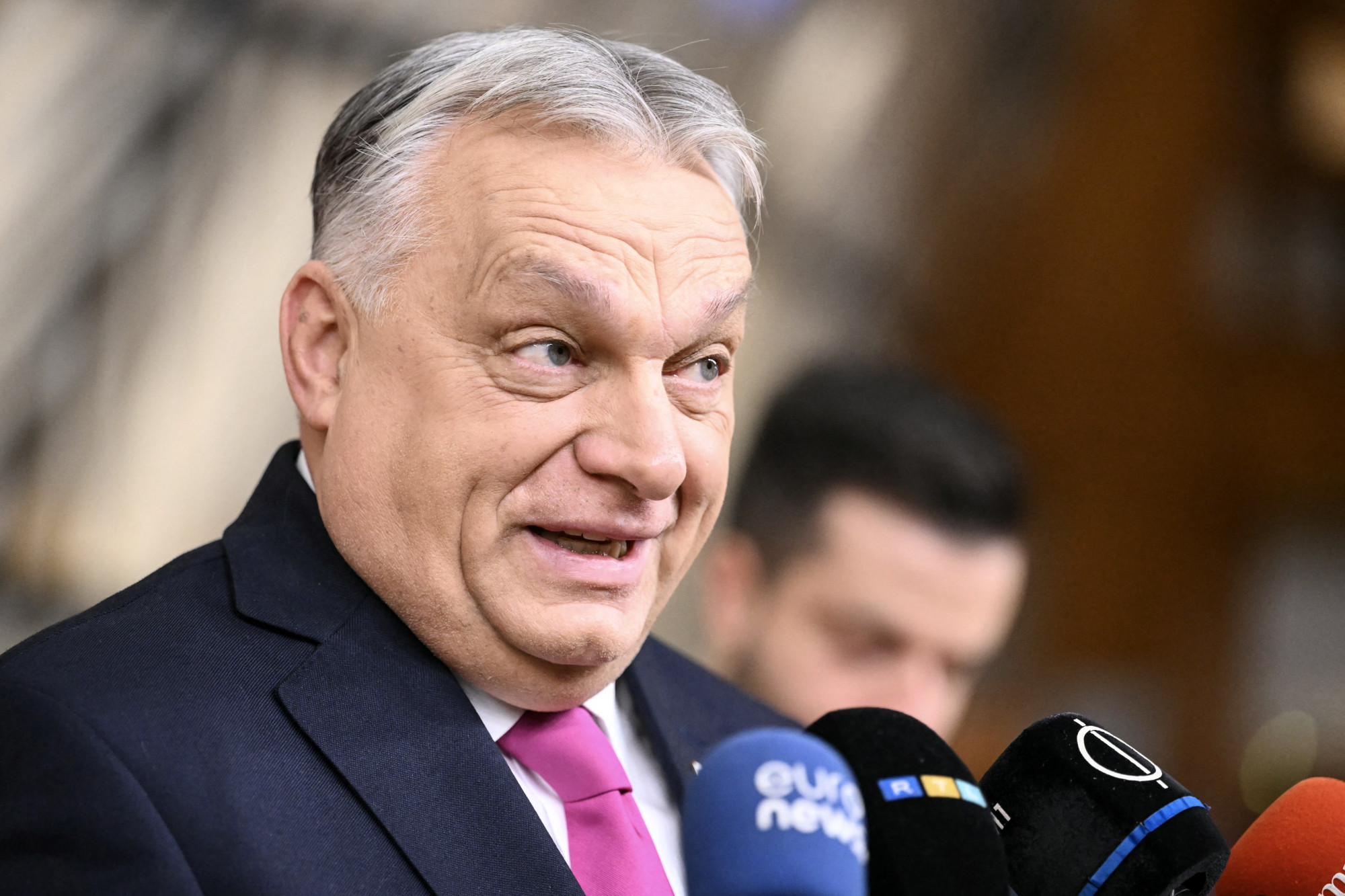
Orbán said the final agreement, which uses the EU budget as collateral, would not impose financial obligations on Hungary, Slovakia or the Czech Republic, but warned that Ukraine would be unable to repay the loan, leaving participating states responsible unless Russia is defeated. Framing the decision as a step towards escalation, he argued that European leaders were acting under the illusion that supporting Ukraine would come at no cost, while questioning basic assumptions about responsibility for the war. Orbán said Hungary must avoid being drawn into conflict, comparing the present moment to Europe’s slide into the world wars of the 20th century. He said Hungary lacked the strength to withstand the political pressure this would have brought, adding that the question of EU membership remained open but had not yet reached a breaking point.
Slovak president signs law criticizing Beneš decrees punishable
Slovak president Peter Pellegrini has signed an amendment to the national criminal code that makes it a criminal offence to publicly question the post-World War II Beneš decrees, a move that has drawn sharp criticism from minority groups and political figures in Slovakia and neighbouring Hungary. The legislation, passed by the Slovak parliament earlier this month, was originally intended to strengthen penalties for minor theft, but was expanded in committee to include measures against alleged foreign interference in elections, restrictions on so-called “repentant witness” testimony, and the criminalisation of public denial or challenge to the legal framework established by post-war settlement documents widely understood to refer to the Beneš decrees. Pellegrini said he had chosen not to veto the bill, adding that responsibility for the law lies with the government and parliamentary majority that approved it.
The most contentious aspect of the amendment is the provision making it punishable to question the decrees, which were issued in 1945 by the then Czechoslovak president Edvard Beneš and provided the legal basis for confiscation of property and collective punishment of ethnic Germans and Hungarians after the war. Under the new rules, publicly denying or challenging the legitimacy of the post-war settlement could result in penalties of up to six months in prison. Critics say it effectively disproportionately affects Slovakia’s Hungarian minority, many of whom continue to face unresolved property disputes tied to the decrees. The Hungarian minority party in Slovakia has condemned the law and organised protests, while an adviser on minority affairs resigned in protest. Politicians in Hungary, including Viktor Orbán, said they are seeking clarification about the law’s implications.