
Budapest mayor faces charges over Pride event

- Stay up to date with the latest news from Hungary by signing up for the free InsightHungary newsletter.
Prosecutors file charges against Karacsony for Pride
Budapest’s mayor, Gergely Karácsony, has been charged by the V. and XIII. district prosecutor’s office over organising the 2025 Budapest Pride. Prosecutors have proposed imposing a fine, according to an announcement on their website. Karácsony was questioned on 1 August in connection with the event, and his complaint against the charges was rejected in mid-August. The case follows legislative changes introduced by Hungary’s parliament in the spring, when the constitution was amended to elevate children’s right to “healthy development” above the right of assembly, alongside changes to public assembly laws banning gatherings deemed to breach the so-called Child Protection Act.
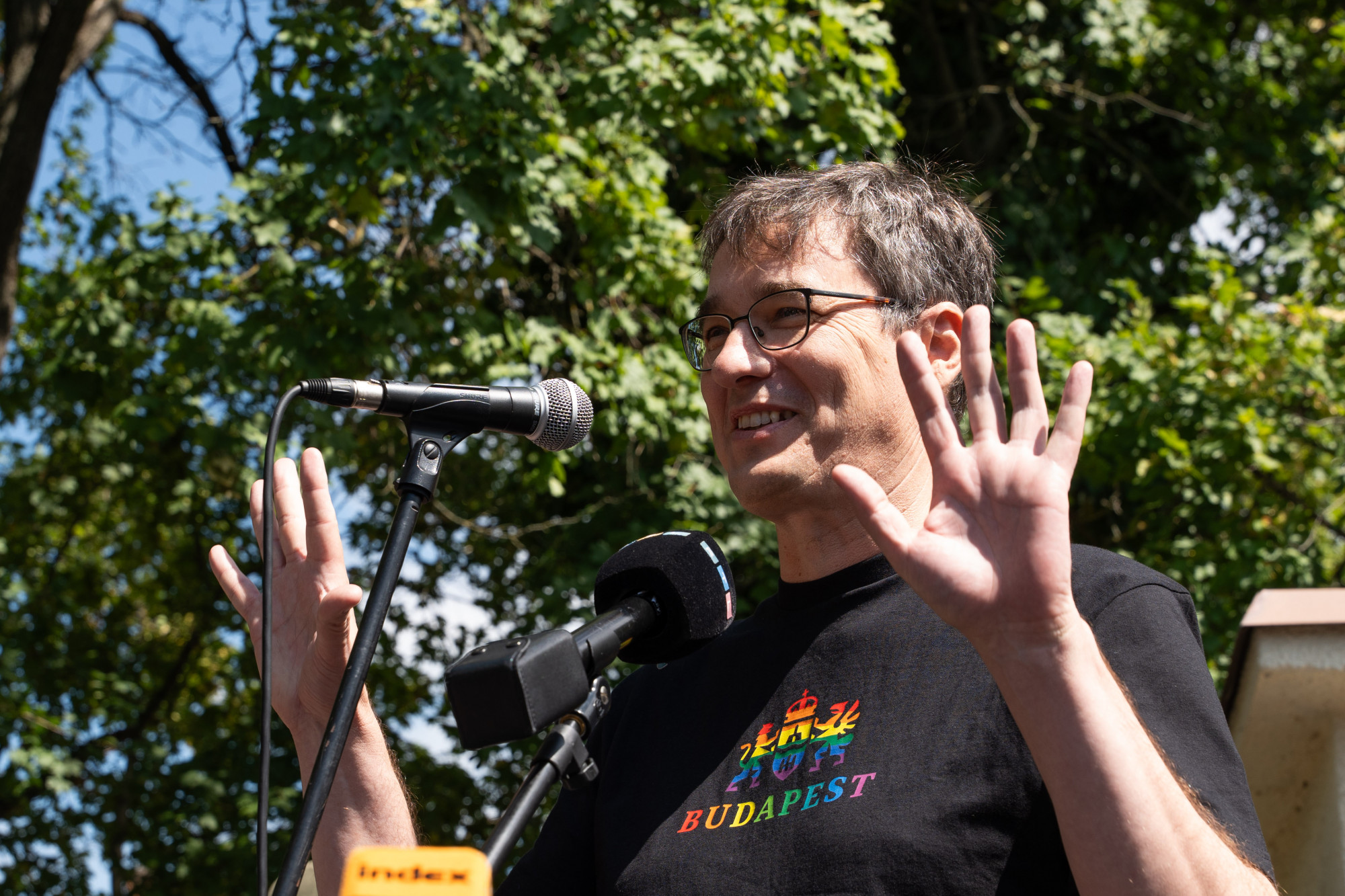
Karácsony had announced the Pride march as a municipal event, but police classified it as a public assembly and banned it. Despite the prohibition, the march went ahead at the end of June, becoming the largest Pride event ever held in Hungary. Prosecutors said the mayor was aware of the police ban issued on 19 June, did not seek legal remedy and proceeded with organising the event after the decision became final. Responding on Facebook, Karácsony said he had gone “from being a proud suspect to a proud defendant”, arguing that this was the price of standing up for freedom. He added that prosecutors intended to impose a fine without a court hearing and said he would continue to stand for “freedom”, insisting that the march demonstrated “there is life outside this regime."
Controversial comments by Lazar risk alienating Roma voters
Speaking at a public forum, Transportation Minister János Lázár was answering a question on demographic decline when he argued that, because Hungary was not accepting migrants, it would need to rely on “internal reserves”, which he identified as the Hungarian Roma community. He went on to suggest that unpopular jobs, including cleaning toilets on InterCity trains, would have to be filled in "by gypsies". While the mobilisation of Roma workers has been official policy for years , Lázár’s wording provoked widespread criticism. Employment among Roma people has risen steadily since the mid-2010s but still lags far behind that of the non-Roma population.
The backlash carried political weight because Roma voters live in key constituencies and have previously supported Fidesz. The opposition moved quickly: the Tisza party’s leader, Péter Magyar, shared the clip of Lázár’s remarks, while a video response from a Roma teacher linked to the party drew more than a million views. Roma organisations and public figures also demanded clarification. Lázár initially defended his comments before issuing a public apology at a Fidesz rally, saying he was “truly sorry” to any Roma he had offended and thanking them for their contribution to Hungary. The scale of the reaction appears to have prompted swift damage control from the government.
Hungary says Ukraine has summoned its ambassador
Ukraine has summoned Hungary’s ambassador to Kyiv, according to Hungary’s foreign minister, Péter Szijjártó. The summon came two days after Budapest called in Ukraine’s ambassador, with Szijjártó saying at the time that Hungary would defend its sovereignty “by all means available”. He said the Hungarian government was not surprised by Kyiv’s response, adding that Ukrainian officials objected to a planned national petition in which Hungarians will be asked to give their opinion on "Brussels and Kyiv’s intention to spend Hungarian money on Ukraine’s operation and armament."
Szijjártó said he had still received no explanation for what he described as rude remarks by President Volodymyr Zelensky about PM Viktor Orbán, and Ukraine’s foreign minister, Andrii Sybiha's comments. He also claimed that, based on the meeting in Kyiv, Hungary expects Ukraine to interfere in the upcoming Hungarian elections in support of the opposition Tisza party. The latest exchange follows a week of escalating rhetoric between the two countries.