
Hungary brings espionage charges against investigative journalist

- Stay up to date with the latest news from Hungary by signing up for the free InsightHungary newsletter.
Hungary files espionage case against top journalist
Hungary’s government has filed espionage charges against investigative journalist Szabolcs Panyi, in a case tied to reporting on alleged contacts between Budapest and Moscow. Speaking at a press briefing on Thursday, Orban's chief of staff, Gergely Gulyás, said justice minister Bence Tuzson had decided to proceed, arguing that publicly known details were "sufficient" and accusing Panyi of acting “in cooperation with a foreign state”. The allegations follow a Washington Post report claiming Hungary’s foreign minister, Péter Szijjártó, regularly shared confidential information from EU meetings with his Russian counterpart.

After the Post's piece was published, pro-government outlet Mandiner published claims that foreign intelligence services had wiretapped Szijjártó with Panyi’s assistance, alongside an edited recording in which the journalist discussed sharing the minister’s phone number with a source at an EU government agency. Gulyás rejected the notion that such actions constituted journalism, alleging the intent was surveillance. Panyi denied the accusations in a Facebook post, saying the recording had been heavily edited. He is currently working on a book about Russian interference in Hungarian politics. Panyi has previously been targeted with the Pegasus spyware.
Hungarian government rejects opposition claims of secret service operation against Tisza's IT system
Hungary’s main opposition party has accused the government of orchestrating a covert operation to infiltrate and undermine its activities, weeks before the parliamentary election on April 12. The claims, dubbed “Orbán-gate”, draw on an investigation by Direkt36, citing police documents that describe an alleged attempt to compromise the IT systems of Tisza. According to the report, operatives sought to recruit a young volunteer linked to the party to gain access to its digital infrastructure and install loyal insiders in key positions.
The alleged plan was disrupted after police raided the homes of two men associated with the party, who were said to be preparing to record the recruitment attempt using a concealed camera. Direkt36 reported that the raids were carried out under the pretext of a child pornography investigation, though no such material was found, and attention instead shifted to the planned recording.
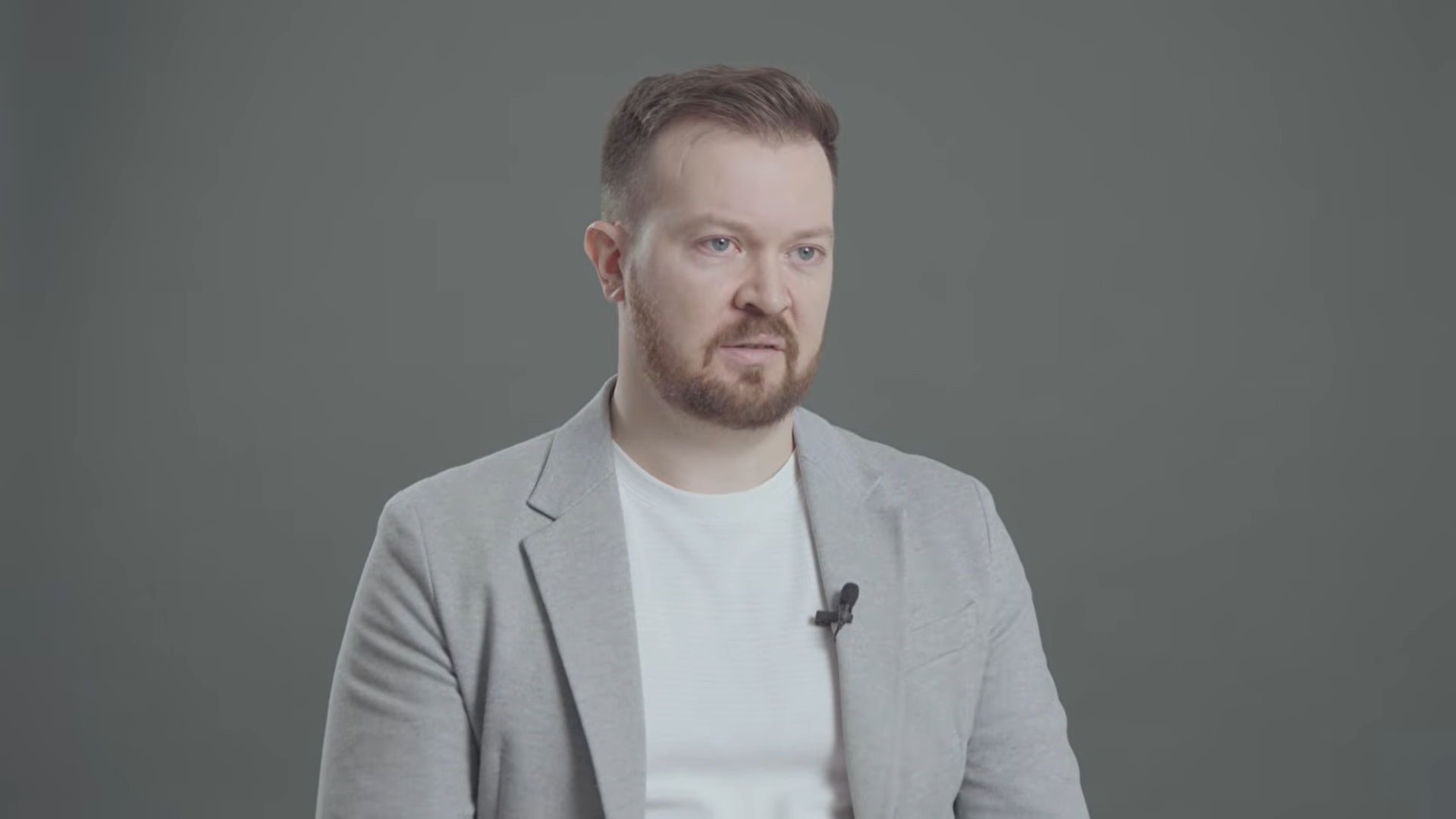
Bence Szabó, a senior investigator at the Cybercrime department of the National Bureau of Investigation, sat down with Direkt 35 on the record about the case. In the video, Szabo explained that several screenshots were discovered between the IT specialists and individuals, including Magyar's ex-girlfriend, revealing details of a secret service operation. The goal of the operation was to hack into the Tisza Party’s IT system and bring it down.
Magyar has presented the affair as evidence of democratic backsliding, while the government has rejected the allegations and framed the issue as one of national security.
Government spokesperson Zoltán Kovács said individuals linked to Tisza had connections to Ukrainian actors and hacker networks, a claim amplified by pro-government media, while several state bodies declined to comment on the specifics of the reported operation.
Politico: Anxiety builds in MAGA world over fate of Hungarian elections
As war with Iran dominates attention in Washington, concern is mounting within the MAGA movement over the electoral prospects of Orbán, Politico reports. After more than a decade consolidating power, Orbán now faces one of his most difficult contests, with polling ahead of the 12 April vote showing his Fidesz party trailing the centre-right Tisza party. Discontent over a sluggish economy, rising living costs, and a series of scandals has weighed on his campaign, prompting unease among allies of US President Donald Trump, who regard Orbán as a key ideological partner in Europe. In recent weeks, Trump has repeatedly endorsed him, while Marco Rubio visited Budapest in February, and JD Vance is reportedly considering a trip, though it has not been formally confirmed.
Orbán is seen as a model of “illiberal” governance in the Trumpist segment of the Republican Party, from his hardline immigration policies to opposition to military aid for Ukraine and efforts to reshape Hungary’s institutions. His allies have cultivated close ties with MAGA-aligned groups such as the Heritage Foundation, and the relationship has yielded tangible benefits, including a US exemption allowing Hungary to continue purchasing Russian oil. Yet the overt support carries risks: far-right parties in Europe have sought to distance themselves from Trump, and some within his orbit fear the strategy could alienate Hungarian voters. Diplomatic tensions further complicate the picture, as Orbán’s move to block an EU loan to Ukraine clashes with US efforts to encourage European support for Kyiv.