
Anita Orban outlines Hungary's new foreign policy path

- Stay up to date with the latest news from Hungary by signing up for the free InsightHungary newsletter.
Hungary says breakthrough reached with Ukraine over minority rights
“Hungarian foreign policy has once again become visible and proactive in Europe,” foreign minister Anita Orbán told parliament’s foreign affairs committee. She said Budapest had renewed its engagement with the Visegrád Group, which had been neglected under the previous government. Referring to Prime Minister Péter Magyar’s first foreign trip to Warsaw, she said: “We have now recalibrated Hungarian-Polish relations.” Hungary is expected to host a summit of V4 prime ministers in the near future. In contrast, a Hungarian-German summit is scheduled for early October in Berlin, beginning with talks between the two countries’ foreign ministers and followed by wider government consultations.
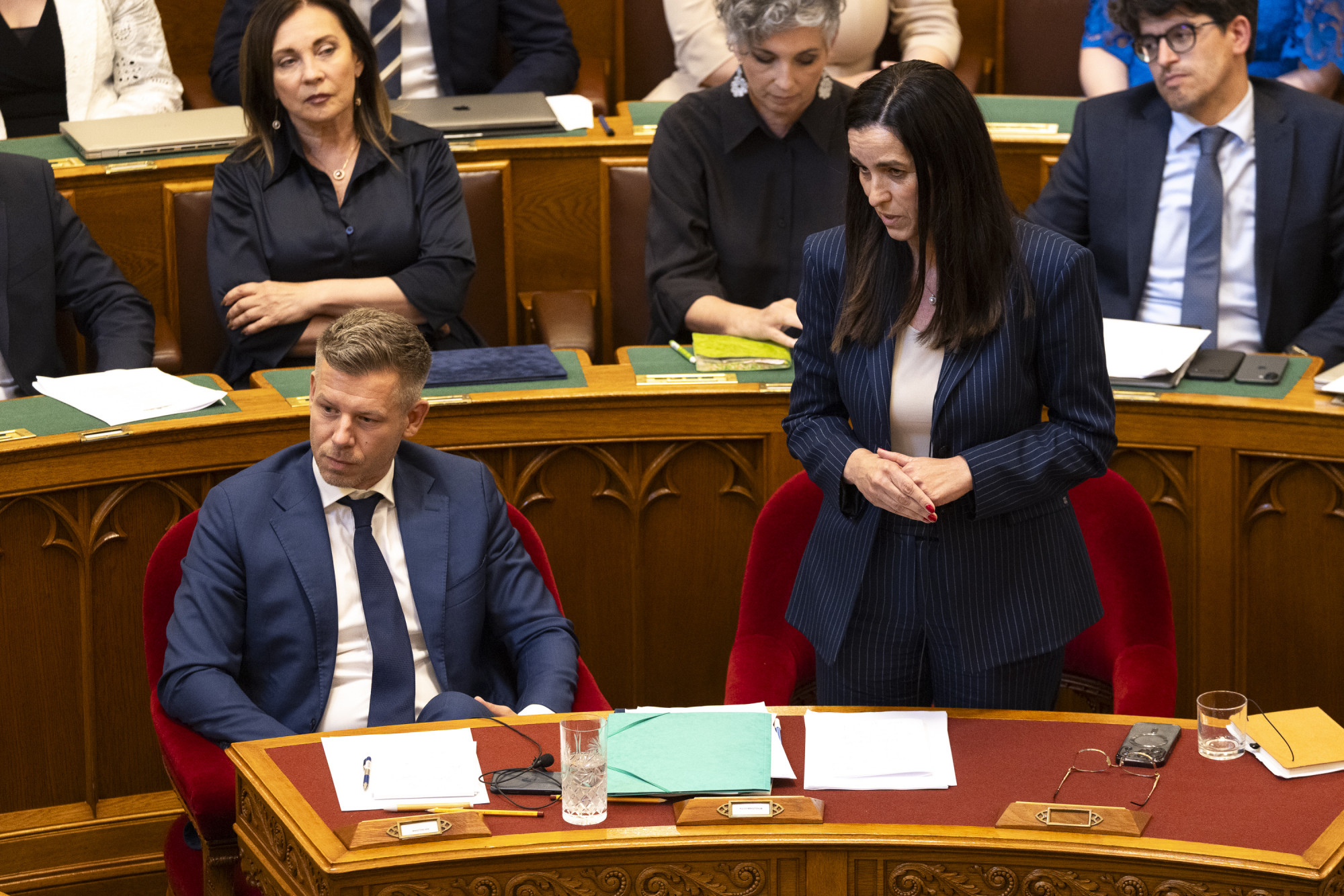
Orbán also highlighted the recently announced Hungarian-Ukrainian agreement, describing it as the result of extensive consultation and negotiation rather than political gestures. Under the agreement, Ukraine committed to restoring the system of schools for ethnic minorities and guaranteeing the free use of the Hungarian language and national symbols. In municipalities where Hungarians make up more than 10% of the population, Hungarian may be used in healthcare, public events, academic conferences, and political campaigns. These commitments form part of the action plan linked to Ukraine’s EU accession process, which Orbán said would begin once the conditions had been fulfilled, proceed under the standard timetable, and be preceded by a referendum. She did not provide a timeline for a meeting between Magyar and Ukrainian President Volodymyr Zelensky.
Hungarians increasingly doubt US would defend Europe
Doubt among Europeans is growing about whether the United States would defend the continent, and they increasingly believe Europe should develop stronger defence capabilities of its own, according to a new survey by the European Council on Foreign Relations. Conducted across 15 countries ahead of next week’s G7 meeting in France and July’s Nato summit, the poll found that support for Ukraine remains intact, but enthusiasm for further EU enlargement to the east is limited under current conditions. Views on energy also remained divided: 44% of respondents opposed returning to Russian energy imports, while 27% supported such a move.
Hungarians, however, 42% backed importing Russian oil and gas. The survey found confidence in the US alliance had weakened amid recent developments, including troop withdrawals from Europe, tensions over Greenland, and repeated remarks by US President Donald Trump about the possibility of withdrawing from NATO. Only 11% of respondents described the United States as an ally, down from 16% six months earlier and 22% in November 2024.
According to the survey, trust in the US is declining in most countries, but it is a new phenomenon in Hungary and Poland. At the same time, support for replacing NATO remained limited, and attitudes towards European defence spending varied sharply across the continent. Hungarians were among the least supportive of expanding defence spending at the expense of other sectors and showed little appetite either for national nuclear deterrence or a pan-European alternative. The survey also found divisions over buying US-made weapons and differing views on responsibility for higher energy prices, with Hungarians among the least likely to blame either their own government or the EU.
Hungary’s easing inflation may open path to lower rates
Hungary’s central bank may require a lower interest rate to maintain price stability following a decline in inflation and an improvement in risk premia, but policymakers remain cautious amid volatility in long-term yields and energy markets, a senior official has told Reuters. The bank last month discussed a rate cut for the first time since reducing its base rate to 6.25% in February from what had been the highest level in the European Union, after inflation fell below its 3% target earlier this year.
However, uncertainty linked to the war in Iran and turbulence in global markets has tempered expectations of an easing cycle, despite the potentially disinflationary effects of the forint’s appreciation following the 12 April election that ended Viktor Orbán’s rule. Consumer prices rose by 1.8% in the first four months of 2026, below the central bank’s March forecast of 3.8% average inflation for the year, while economists expect May inflation at 2.3%.