
Hungary passes constitutional term limiting how long a PM can serve

- Stay up to date with the latest news from Hungary by signing up for the free InsightHungary newsletter.
Hungarian parliament approves constitutional term limits that would bar Orbán from returning as PM
Hungary's parliament has approved a constitutional amendment introducing an eight-year limit on how long a prime minister can serve, a change that would prevent former prime minister Viktor Orbán from returning to office. The amendment was passed on Monday with 135 votes in favour, 50 against, and six abstentions. It also creates the constitutional basis for dissolving the public interest asset management foundations and the Sovereignty Protection Office. Lawmakers from the former governing coalition, Fidesz and the Christian Democratic People’s party (KDNP), voted against the proposal, while members of Mi Hazánk abstained.
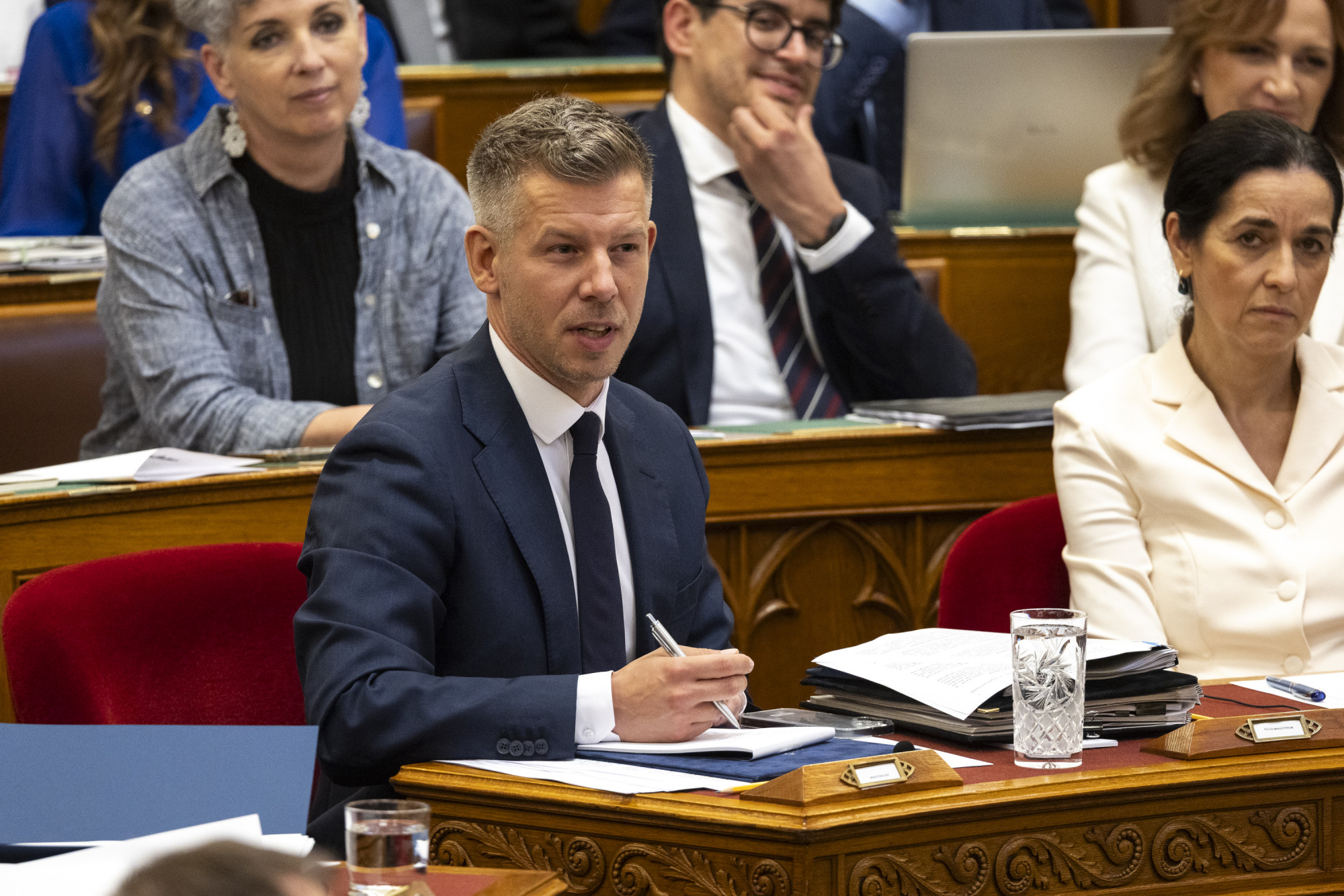
The amendment was submitted on 20 May by two Tisza party MPs, rather than by the government, drawing criticism because it was not preceded by public or professional consultation. During the parliamentary debate, Melléthei-Barna said the proposal reflected the kind of state Tisza wanted to build, centred on three principles: that power should not last forever, that public assets belong to the nation, and that state institutions should not serve political self-preservation. One of the amendment’s most contested provisions limits prime ministers to two terms and counts any time served in office since 2 May 1990, prompting Fidesz to describe it as "Lex Orbán".
Szijjártó offered his assistance to Lavrov during the Wagner rebellion
Investigative journalist Szabolcs Panyi has published another audio recording of a phone conversation between the Russian and the former Hungarian foreign ministers. Panyi revealed an English-language call from Peter Szijjártó, dated June 24, 2023, believed to have taken place during the Prigozhin-led uprising.
Around the time when Prigozhin, the leader of the Wagner private military company, openly defied the Russian military leadership, claiming that the Russian army had launched an attack on one of Wagner’s camps, Szijjarto picked up the phone and told Lavrov: "I just wanted to know if things are under control and that you are OK?. The Hungarian ex-minister also asked his Russian counterpart if the Kremlin has stopped Wagner's advance towards Moscow, and added: Well, if you ever need anything personally, just let me know. Lavrov laughed and said, "I don’t need anything. There is no problem. Thank you for calling."
Hungary delays next step in Ukraine's EU accession process
Hungary has delayed the next procedural step in the European Union accession process for Ukraine and Moldova, according to two EU diplomats, Politico reports. The two countries reached a milestone on 15 June when EU member states unanimously agreed to open the first formal negotiating chapter of their membership bids, ending a years-long blockage by former Hungarian prime minister Viktor Orbán, who opposed Ukraine's accession. Because the two applications are politically linked, progress on one is tied to the other. Kyiv had hoped to open all six negotiating clusters by mid-July. That timetable is now in doubt after Hungary opposed sending a joint letter from the EU's 27 member states to the European Council and the European Commission outlining the bloc's common position. According to the diplomats, Hungary was the only country to oppose the move, which requires unanimous approval and will be discussed again next week.
The move is consistent with Prime Minister Péter Magyar's cautious approach to Ukraine's EU membership. Although his government did not object to opening the first negotiating cluster, it insisted on removing the words "as soon as possible" from the European Council's written conclusions on Ukraine's accession at last week's summit in Brussels, one diplomat said.