
Sulyok signs law ending his term in office

- Stay up to date with the latest news from Hungary by signing up for the free InsightHungary newsletter.
Hungary's president signs amendment ending his term, warns of risks to rule of law
Hungary' s President Tamás Sulyok has signed a constitutional amendment that immediately ends his term as head of state. The amendment, part of PM Peter Magyar's effort to dismantle institutions established under former prime minister Viktor Orbán, cites society's "serious loss of confidence" in Sulyok, who was elected in early 2024 by lawmakers from Orbán's Fidesz party. In a statement, Sulyok said he had no choice but to sign the legislation because it complied with the letter of the law, but warned that it had damaged Hungary's constitutional order. "The seventeenth amendment to the Constitution has marked a watershed in Hungary's constitutional democracy," he said. "By removing public office holders in a manner that openly violates the rule of law."
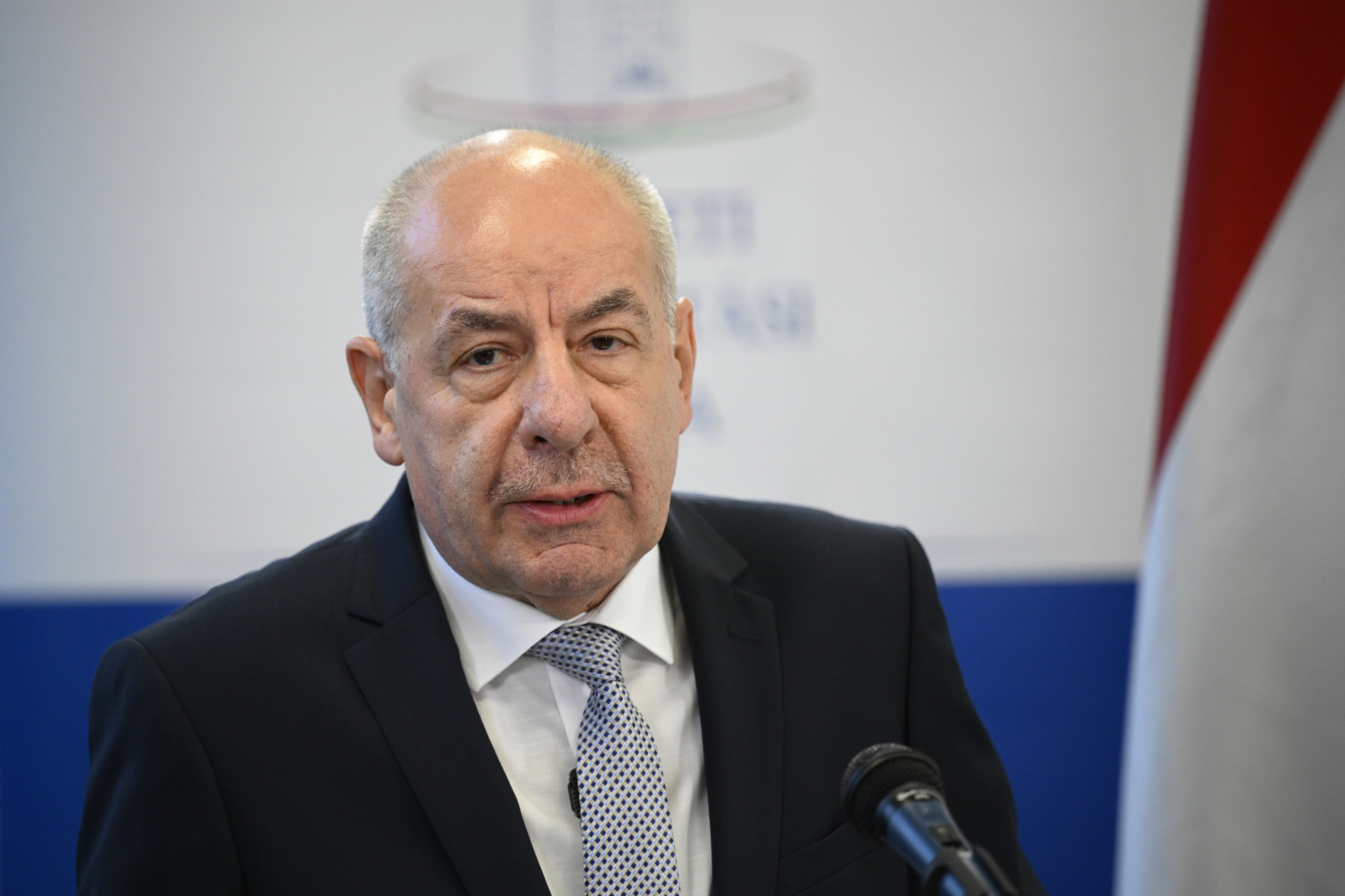
Orbán previously criticised the amendment on Facebook, writing: "Tyranny is no longer a threat but reality. If this could be done to the President, tomorrow, no one will be safe." Parliament, where the Tisza Party holds a two-thirds majority, will elect a new president to serve until a new constitution takes effect, or for a maximum of five years. After Sulyok signed the amendment, Magyar announced that parliament speaker Ágnes Forsthoffer would become interim president from Monday. "With these decisions, we are restoring something that the Orban regime spent many years trying to take away from the Hungarian people," he wrote on Facebook. "The certainty that power can be constrained, that public assets can be recovered, and that the state can once again serve its citizens, free Hungarian citizens." The amendment also introduces a 12-year term limit for lawmakers and a mandatory retirement age of 70 for Constitutional Court judges, requiring the retirement of the court's president, Péter Polt.
Hungary’s chief prosecutor resigns
Hungarian chief prosecutor Gábor Bálint Nagy resigned. PM Peter Magyar, who has pledged to restore democratic standards, has repeatedly called on officials appointed or elected under the previous government to step down, including the chief prosecutor. Nagy said in a statement that his resignation would take effect on 25 August, adding that the institution he led had recently been subjected to attacks "far beyond the framework of acceptable professional and public debates", despite his having carried out his mandate in accordance with the law.
Nagy, who was elected chief prosecutor by a Fidesz-dominated parliament in June 2025 for a nine-year term, was described by Magyar as "another Orban puppet who stood in the way of regime change". Fidesz has accused Magyar's government of pursuing authoritarian policies since the election, while Orbán urged supporters on Wednesday to "restore democracy" in Hungary, arguing that it had been crushed by the new government. Tisza rejects accusations that it has taken an authoritarian approach towards its political opponents.
Hungary's new defense minister: "We are closing the door on the Russians"
Hungary is "closing the door" on Russia and aligning more closely with its allies, Defense Minister Romulusz Ruszin-Szendi said. "We are closing the door on the Russians," he said, adding that "it is necessary to see the interests and values of the nation and allies." Ruszin-Szendi said Russia's intelligence services had "tried to come in through the back door" after Hungary shifted away from Moscow, and argued that trust in Hungary's alliances needed to be rebuilt because the country's interests coincide with those of its partners. He said Budapest's security focus was on Russia's war against Ukraine and the US-Iran war.
PM Péter Magyar's government has adopted a more pro-European stance than Orbán, who was widely regarded as one of Russia's only allies in Europe. While maintaining a cautious approach, the new government has sought to improve relations with Ukraine and Europe. On 19 June, authorities lifted a nine-month ban on Ukrainian media imposed by the previous administration, while at a meeting of EU leaders on 18 June, Magyar argued that the bloc should reduce the urgency of advancing Ukraine's EU accession process.