
Hungary could stop importing Russian gas by next year, energy minister says

- Stay up to date with the latest news from Hungary by signing up for the free InsightHungary newsletter.
Hungary says it could replace Russian gas next year
Hungary could stop relying on Russian gas by October 2027, the economy and energy minister, István Kapitány, has told online news site Telex. Kapitány said Hungary had enough pipeline connections to secure gas from other sources at competitive prices. “If the situation develops the way it currently appears, Hungary’s gas supply can and will be secured from other sources” by October 2027, he said. That is also the EU deadline for member states to stop importing Russian natural gas. Kapitány said the Paks II nuclear power plant project, awarded by the Orbán government to Russia’s Rosatom, was also under review.
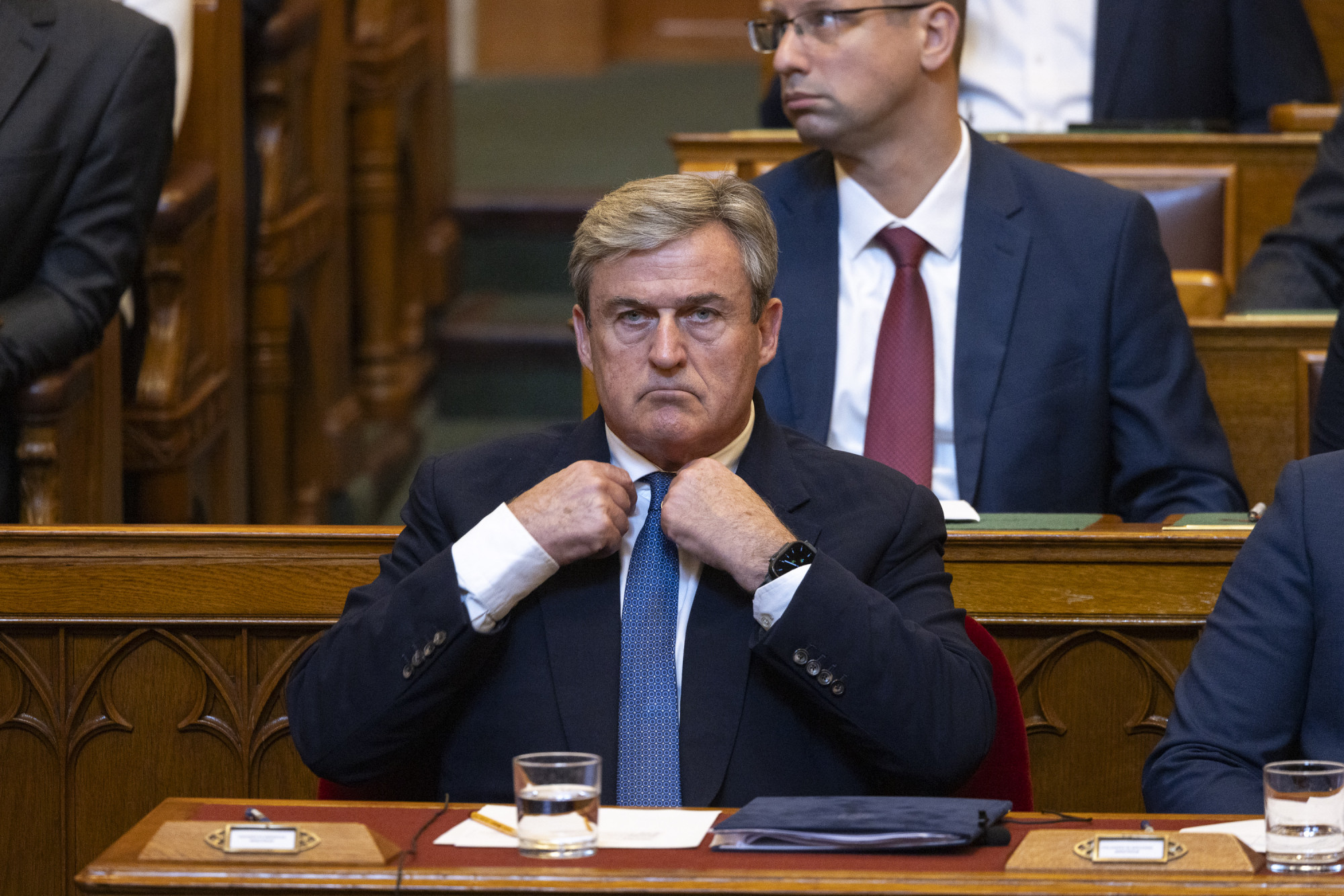
The Orbán government deepened energy ties with Moscow after Russia’s full-scale invasion of Ukraine and continued importing Russian energy products, arguing that it's in Hungary's interest to do so.
Hungary addressed previous rule-of-law concerns, Von der Leyen says
The European Commission has proposed unlocking €4.2bn in previously blocked cohesion funding for Hungary, saying Budapest has addressed rule-of-law concerns affecting the EU budget. If approved by the Council, the move would also restore full access to the Erasmus+ student exchange and Horizon Europe research programs for Hungarian students and researchers. The EU suspended €6.3bn in cohesion funding in 2022 over the state of democracy in the country, including Hungary’s anti-corruption framework, conflicts of interest and public procurement. The Commission now says Hungary has addressed those issues.
The move follows an agreement in May between Hungarian PM Péter Magyar and Ursula von der Leyen to release €16.4bn in EU funding if Hungary met key rule-of-law milestones. Hungary said in late August that it had fulfilled all the conditions, including resolving the issue of public interest trusts (KEKVA), a legal structure used by the previous government to take control of public institutions such as universities. Hungary is also seeking €10bn in recovery funds, with the Commission’s assessment ongoing. Meanwhile, about €2.7bn in cohesion funding remains blocked over concerns including academic freedom, the child protection law and the right to asylum. Magyar has pledged to resolve the remaining issues by the end of the year.
Hungary could join eurozone as early as 2033
Hungary is moving closer to meeting the requirements for adopting the euro, helped by improving inflation and lower country risk premiums. But Péter Aradványi, chief analyst at Equilor, said sustained progress would require consistent economic policy. Hungary hasn't met the convergence criteria based on last year’s data, he said, although favorable inflation developments could allow it to meet the price stability requirement this year. The biggest hurdle remains the fiscal criteria: relatively high government debt and its interest burden are putting pressure on the budget.
Equilor expects euro adoption to bring greater exchange-rate stability, lower interest-rate premiums and deeper integration into the EU economy, but Hungary would lose its independent monetary policy and ability to use nominal currency depreciation. The firm forecasts economic growth of about 2.5% over the next two years, while the central bank’s base rate is expected to fall to 4% and the euro to trade between HUF360 and HUF370. Fiscal policy remains a key concern, with Equilor forecasting a budget deficit of 7.5% of GDP in 2026 and government debt reaching 77.5% of GDP. The credibility of the 2027 budget will be crucial, Aradványi said. Equilor considers a deficit of 5%-6% of GDP realistic for 2027, while warning that excessive cuts to investment could improve short-term figures at the expense of potential growth.